
Understanding Cavus Feet: Recognition, Impacts, and the Best Shoe Options for Support

Cavus feet, often overlooked, can cause significant discomfort and long-term problems if not properly understood and managed. This condition involves a high arch that makes the foot unusually stiff and rigid. Unlike a normal foot that absorbs shock and adapts to surfaces, a cavus foot struggles to dissipate energy during walking or running. This blog post explains what cavus feet are, how to recognize them, why they matter, and the best shoe options to support those who have them.
What Is a Cavus Foot?
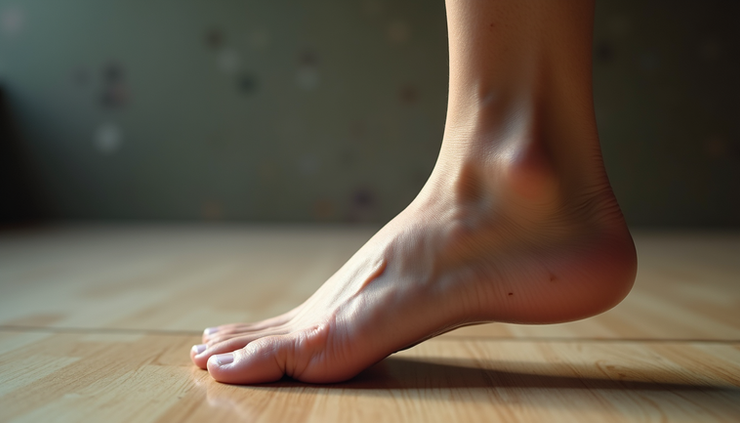
A cavus foot is characterized by an abnormally high arch. This arch is more pronounced than in a typical foot, causing the foot to appear elevated in the middle when viewed from the side. The condition can be congenital or develop over time due to neurological or muscular disorders.
Key Features of Cavus Feet
High medial arch: The arch is visibly raised, creating a gap between the ground and the foot’s midsection.
Rigid and stiff foot structure: The foot lacks the flexibility needed to absorb shock effectively.
Varus heel alignment: The heel tilts inward, which can lead to instability.
Forefoot or rearfoot driven: The deformity can originate either from the front part of the foot (forefoot-driven) or the back part (rearfoot-driven).
How to Recognize a Cavus Foot
Recognizing a cavus foot involves both visual inspection and functional assessment. Here are some signs to look for:
Visible high arch when standing or walking.
Calluses or pressure points on the ball or heel of the foot due to uneven weight distribution.
Difficulty with balance or frequent ankle sprains, especially if the heel tilts inward.
Foot pain during or after activity, often in the heel, ball, or arch area.
Stiffness during heel strike and stance phases of walking, leading to less shock absorption.
A healthcare professional may perform specific tests, such as the Coleman block test, to determine whether the cavus deformity is forefoot or rearfoot driven.
Why Cavus Feet Matter
The high arch and stiffness of a cavus foot affect how forces travel through the foot during movement. Unlike a normal foot that flexes and absorbs energy, a cavus foot remains rigid, which can cause several problems:
Poor shock absorption: The foot does not dissipate energy well during heel strike and stance, increasing stress on bones and joints.
Increased force on the midfoot: Equinus, or limited ankle dorsiflexion, often accompanies cavus feet, pushing more force through the midfoot.
Higher risk of neuromas: The stiff foot can compress nerves, leading to painful nerve growths called neuromas.
Arthritis development: The abnormal pressure and stiffness can accelerate joint wear, especially in the midfoot and ankle.
Lateral ankle instability: The inward tilt of the heel (varus) can cause the ankle to roll outward easily, increasing the risk of sprains.
Understanding these impacts helps explain why people with cavus feet often experience chronic foot pain and instability.
Forefoot-Driven vs. Rearfoot-Driven Cavus
Cavus feet can be classified based on where the deformity originates:
Forefoot-driven cavus: The high arch is mainly due to the front part of the foot. This type usually causes less ankle instability but can still lead to pressure points and pain.
Rearfoot-driven cavus: The deformity starts at the heel, causing the heel to tilt inward (varus). This type is more likely to cause lateral ankle instability and frequent ankle sprains.
Identifying the type of cavus foot is important for treatment and shoe recommendations.
Shoe Gear Options and Considerations
People with cavus feet need shoes that provide high ankle support and extra cushioning to compensate for the foot’s rigidity and instability. Here are some key features to look for:
High ankle collars or boots: These provide additional support to prevent the ankle from rolling outward.
Cushioned midsoles: Extra padding helps absorb shock that the foot cannot dissipate naturally.
Rocker soles: These can help smooth the transition from heel strike to toe-off, reducing pressure on the midfoot.
Wide toe boxes: To accommodate any forefoot pressure or deformities.
Custom orthotics: In some cases, specially designed insoles can help redistribute pressure and improve foot alignment.
Avoid Shoes That
Are too stiff without cushioning, as they increase pressure on the foot.
Have narrow heels or lack ankle support, which can worsen instability.
Lack shock absorption, leading to more pain and risk of injury.
Practical Tips for Managing Cavus Feet
Consult a podiatrist for a proper diagnosis and treatment plan.
Use supportive footwear consistently, especially during physical activities.
Consider physical therapy to strengthen ankle muscles and improve balance.
Monitor for signs of nerve pain or arthritis, and seek treatment early.


Comments