
Shin Splints Treatment in Cypress TX Causes Relief and Prevention

By Dr. Christopher Correa, DPM, FACFAS, Select Foot & Ankle Specialists, Cypress, TX
That dull, nagging ache along the inside of your shin can turn a simple run, walk, dance class, or workout into something frustrating. At first, it may fade once you warm up. Then it starts earlier. Soon, the shin feels tender even after you stop.
That pattern is common with Shin Splints, medically known as medial tibial stress syndrome, or MTSS. It is one of the most frequent overuse injuries seen in runners, military recruits, dancers, and active people who increase training too quickly.
At Select Foot & Ankle Specialists in Cypress, TX, Dr. Christopher Correa regularly treats shin pain related to training changes, foot structure, footwear, and running mechanics. The good news is that most cases improve with the right plan. The key is treating the cause, not just pushing through the pain.

What shin splints feel like
Shin splints usually cause pain along the inner edge of the tibia, the long bone in the front of the lower leg. The discomfort often spreads over a broad area rather than one tiny spot.
Many people describe the pain as:
A dull ache along the lower two-thirds of the inner shin
Tenderness when pressing on the inside of the shin bone
Pain that starts during running, walking, jumping, or dancing
Soreness that eases with rest, especially in the early stages
Tightness in the calf or lower leg after activity
At first, symptoms may appear only after a longer workout. As irritation builds, pain can start earlier and last longer. If training continues without rest or correction, the shin may stay sore during daily walking.
Shin splints are not just “sore muscles.” The pain comes from irritation where muscles and connective tissues attach to the tibia. The periosteum, which is the thin lining around the bone, can also become inflamed.
Why shin splints happen
Shin splints are usually an overuse injury. The lower leg is asked to absorb more stress than it can handle at that moment. That stress may come from training volume, surface, shoes, foot mechanics, or muscle imbalance.
A sudden increase in activity is the most common trigger
One of the biggest causes is doing too much too soon.
This can happen when someone:
Starts a new running program
Adds mileage too quickly
Begins hill training or speed workouts
Returns to exercise after time off
Trains for a race with too little buildup
Adds high-impact classes several days per week
The bones, muscles, and tendons of the lower leg need time to adapt. Cardiovascular fitness often improves faster than tissue tolerance. That means you may feel fit enough to keep going, while the shin tissues are still overloaded.
Hard or uneven surfaces can increase stress
Running on concrete, sloped roads, uneven trails, or packed sports fields can raise the load on the tibia and surrounding tissues.
A common example is switching from treadmill running to outdoor pavement. Another is running the same route on a crowned road, where one foot repeatedly lands slightly lower than the other.
Small changes matter when they repeat thousands of times during a run.
Overpronation can pull on the inner shin
Overpronation means the foot rolls inward too much during walking or running. This is often linked with flat feet or flexible arches.
When the foot rolls in, the muscles along the inside of the lower leg work harder to control motion. Over time, that extra pull can irritate the tissues along the medial tibia.
For many patients, overpronation is one of the most important biomechanical contributors to shin splints. This is why treatment often needs to include a foot and gait evaluation, not just rest.
Shoes can make the problem worse
Worn-out shoes lose cushioning and support. Shoes that are too flexible, too narrow, or poorly matched to your foot type can also increase strain.
This does not mean there is one perfect shoe for everyone. A shoe that works well for one runner may be wrong for another. Foot structure, training surface, pace, mileage, and symptoms all matter.
Tight or weak calf muscles add load
The calf muscles help control landing, push-off, and ankle motion. When the calf is tight, the lower leg may absorb force less efficiently. When the calf and foot muscles are weak, the shin muscles may compensate.
This is especially common after a break from training, pregnancy-related activity changes, a new fitness routine, or a switch to different shoes.
When shin pain may be something else
Not every case of shin pain is medial tibial stress syndrome. A proper evaluation matters, especially if symptoms are sharp, one-sided, or worsening.
Stress fracture
A tibial stress fracture is a small crack or bone injury caused by repetitive load. It can feel similar to shin splints at first, but there are differences.
A stress fracture is more likely when pain is:
Focused on one specific spot
Sharp rather than diffuse
Worse with hopping
Present during normal walking
Not improving with rest
Increasing week by week
Stress fractures need a different treatment plan. Continuing to run on one can make the injury worse.
Chronic exertional compartment syndrome
This condition causes pressure to build inside muscle compartments during exercise. Pain often appears at a predictable time during activity and improves after stopping.
Symptoms may include tightness, cramping, numbness, weakness, or a heavy feeling in the lower leg or foot. This is less common than shin splints, but it should be considered when symptoms follow a very repeatable pattern.
Tendon or nerve irritation
Pain from the posterior tibial tendon, calf strain, ankle issues, or nerve irritation can sometimes mimic shin splints. A careful exam helps identify the real source.
If you are searching for a shin splints podiatrist near me because the pain keeps returning, the goal should be more than confirming the diagnosis. The visit should identify why your shin is overloaded in the first place.
How a podiatrist diagnoses shin splints
Diagnosis starts with a detailed history. Dr. Correa may ask about your symptoms, training schedule, shoes, surfaces, previous injuries, and recent changes in activity.
A foot and ankle exam may include:
Checking the tender area along the tibia
Assessing foot type, arch height, and pronation
Evaluating ankle motion and calf tightness
Testing strength in the lower leg and foot
Watching walking or running mechanics when needed
Reviewing shoe wear patterns
Imaging is not always needed for classic shin splints. If the pain is severe, focal, persistent, or suspicious for a stress fracture, X-rays or advanced imaging may be recommended.
For patients looking for shin splints Cypress TX care, a local evaluation can be especially helpful because training surfaces, weather, footwear habits, and common activity patterns all influence the plan.
Treatment focuses on calming pain and fixing the cause
Treatment for shin splints usually starts with reducing irritation. Then the plan shifts toward correcting the reason the injury happened.
Reduce impact without losing fitness
Complete rest is not always needed, but pain should guide activity.
A short-term plan may include:
Cutting back on running mileage or speed
Avoiding hills, sprints, and jumping
Switching to lower-impact exercise
Using cycling, swimming, or elliptical training if pain-free
Avoiding workouts that cause symptoms to worsen the next day
The goal is to keep you active while giving the irritated tissues time to recover.
A simple rule can help: discomfort during activity should stay mild and should not increase as you continue. Pain that changes your stride, gets sharper, or lingers afterward is a sign to stop.
Use ice and short-term pain control carefully
Ice can help reduce soreness after activity. Apply it for short periods with a cloth barrier to protect the skin.
Over-the-counter anti-inflammatory medicines may help some people, but they are not right for everyone. They can also mask pain, which may lead to doing too much too soon. Ask a clinician if you have medical conditions, take other medications, or are unsure what is safe.
Address calf tightness and strength
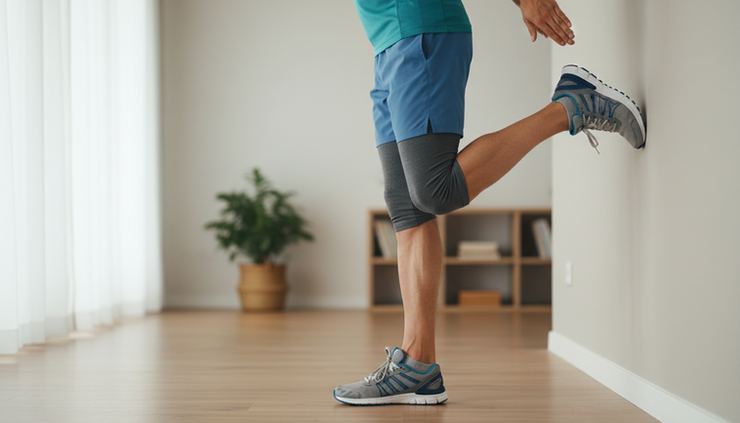
Stretching and strengthening are often part of recovery. The plan should be gradual and matched to symptoms.
Helpful areas to address often include:
Calf flexibility
Ankle mobility
Foot intrinsic strength
Hip and glute strength
Balance and single-leg control
Strong hips and feet help the lower leg handle impact better. Many recurring shin splint cases involve more than the shin itself.
Improve footwear and support
Shoe changes can make a major difference, especially when symptoms are linked to worn-out shoes, flat feet, or overpronation.
A podiatrist may recommend:
Replacing worn running shoes
Choosing shoes that better match your foot type
Using supportive inserts
Considering custom orthotics when mechanics require more control
Custom orthotics are not needed for every patient. When overpronation or foot alignment is a major factor, they can help reduce abnormal pull on the lower leg.
This is one reason medial tibial stress syndrome Cypress care often includes a foot mechanics assessment, not only a pain exam.
Return to running gradually
Going back too fast is one of the most common reasons shin splints return.
A safer return usually includes:
Starting with pain-free walking
Adding short run-walk intervals
Increasing only one variable at a time
Avoiding speed work until base mileage feels comfortable
Taking rest or cross-training days between runs
Monitoring symptoms the next morning
If pain returns, do not treat it as failure. It usually means the load increased faster than the tissue could tolerate. A small adjustment can keep recovery moving forward.
How to prevent shin splints from coming back
Prevention works best when it matches the cause. Rest alone may calm pain, but it does not correct training errors, poor footwear, or biomechanics.
Build training volume slowly
Avoid sudden jumps in mileage, class frequency, or intensity. If your schedule changes, give your legs time to adapt.
This matters during spring and fall in the Cypress and Katy area, when many people ramp up outdoor running, school sports, race training, or fitness routines.
If you are returning after time off, start lower than you think you need to. Your lungs may feel ready before your shins are.
Rotate surfaces when possible
Mixing surfaces can reduce repetitive stress. If pavement bothers your shins, try a track, treadmill, packed dirt path, or grass field when appropriate.
Avoid doing all hard workouts on concrete. Also watch for sloped roads, especially if one side consistently hurts more.
Replace shoes before they are completely worn out
Running shoes do not need to look destroyed to lose support. If shin symptoms appear after months of use, the shoes may be part of the problem.
Signs that shoes may need replacing include:
Uneven wear on the soles
Compressed cushioning
New aches after normal runs
Less support than when new
Pain that improves in a newer pair
Do not ignore recurring pain
Occasional soreness after a hard workout can be normal. Recurring inner shin pain is different.
If symptoms keep returning, a professional evaluation can help prevent a cycle of rest, restart, pain, and rest again. For many patients, effective shin pain running treatment includes training changes, gait assessment, strengthening, and footwear support together.

When to see a foot and ankle specialist
Schedule an evaluation if shin pain:
Lasts more than a couple of weeks
Gets worse despite rest
Is sharp or focused in one spot
Causes limping
Hurts during daily walking
Returns every time you restart activity
Comes with swelling, numbness, weakness, or night pain
You should also be evaluated sooner if you are training for a race, preparing for military or tactical fitness testing, dancing several days per week, or trying to stay active while balancing a busy work and family schedule. The earlier the cause is identified, the easier it is to adjust the plan.
Patients from Cypress, Katy, and nearby communities often come in after trying rest, ice, and new shoes without lasting relief. That is a sign that something deeper may be driving the overload.
The main takeaway
Shin splints are common, but they are not something you have to accept as part of running or exercise. They usually happen because the lower leg is taking on more stress than it can handle, often due to training changes, hard surfaces, overpronation, worn shoes, or calf tightness.
The right treatment calms the pain, identifies the cause, and helps you return to activity in a safer way.
This article is for general educational purposes and is not a substitute for a medical diagnosis. If inner shin pain is limiting your activity or keeps coming back, a foot and ankle specialist can help determine whether it is medial tibial stress syndrome, a stress fracture, or another condition that needs specific care.


Comments