
Shockwave Therapy for Foot and Ankle Pain What to Expect and Who It Helps

Updated: Sep 8
Foot and ankle pain can significantly affect how you move throughout the day. A sore heel can make the first steps out of bed feel sharp. Similarly, Achilles pain can turn a simple walk, workout, or grocery trip into something you have to plan around. When rest, stretching, shoe changes, or medication have not provided enough relief, shockwave therapy may be an option worth discussing with a foot and ankle specialist.
Shockwave therapy is a non-surgical treatment for several stubborn tendon and soft tissue problems. It does not involve an incision, anesthesia, or a long recovery time. For many patients, it fits seamlessly into a normal day and helps restart a healing process that has stalled.
This article explains what the treatment is, how it works, what conditions it may help, and how it compares with cortisone injections and surgery. Remember, this information is for general education only and should not replace medical advice from your podiatrist or physician.

What is Shockwave Therapy?
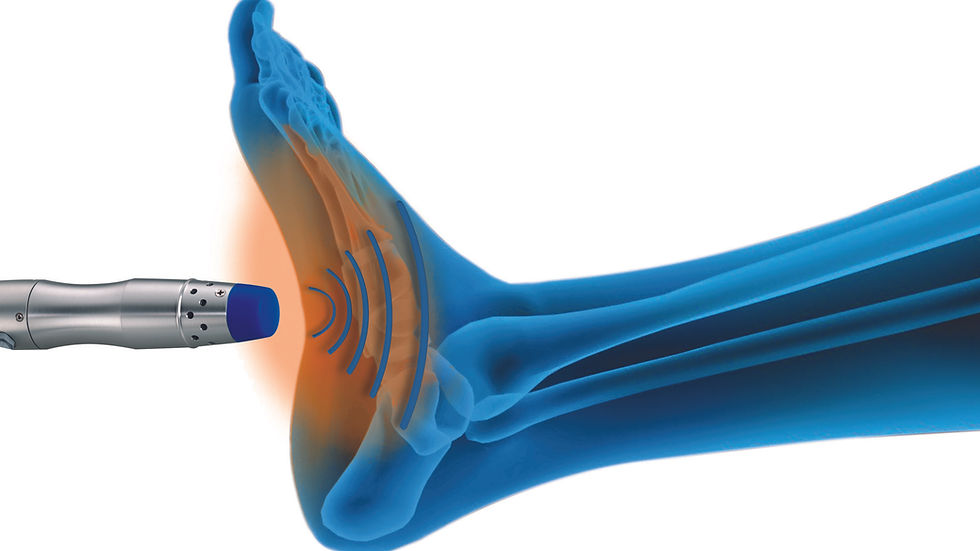
Shockwave therapy, also known as extracorporeal shockwave therapy (ESWT), uses controlled acoustic waves to treat painful areas in the foot or ankle. The term “extracorporeal” means the energy comes from outside the body. A handheld applicator is placed on the skin over the painful area, and the device sends pulses into the tissue.
These pulses are not electrical shocks; they are sound-wave energy. The goal is to stimulate the body’s natural repair response in tissue that has become irritated, thickened, or slow to heal.
In foot and ankle care, this treatment is often used for chronic conditions, especially when pain has persisted for months and has not improved enough with conservative care such as:
Stretching
Orthotics or shoe changes
Activity modifications
Anti-inflammatory medication when appropriate
Physical therapy
Night splints
Ice or home exercises
For the right patient, shockwave therapy can serve as a middle step between basic care and more invasive options.
How Does the Treatment Work?
Chronic tendon and fascia pain often behaves differently from a new injury. With a fresh sprain or strain, the body sends blood flow, repair cells, and inflammation to kickstart the healing process. However, with long-term heel or tendon pain, that repair cycle can slow down. The tissue may remain painful, tight, and irritated without fully healing.
Shockwave therapy is thought to help by creating a controlled mechanical stimulus in the painful tissue. Research suggests this may support healing in several ways:
It may increase local blood flow.
It may encourage tissue repair activity.
It may help break up pain signaling in the area.
It may stimulate the body to remodel irritated tendon or fascia tissue over time.
The treatment does not “numb” the problem the way some medications can. Instead, it aims to encourage the body to repair the source of pain. This is why results are usually gradual rather than instant.
Some patients notice improvement after one or two visits. Others feel the most significant change several weeks after completing the treatment series. The tissue needs time to respond.
Conditions Shockwave Therapy May Treat
Foot and ankle pain can arise from various sources, including joints, nerves, bones, tendons, and fascia. Shockwave therapy is best known for treating soft tissue and tendon-related problems that have become chronic.
A podiatrist will first confirm the diagnosis. This may include a physical exam, a review of your symptoms, and imaging such as X-rays or ultrasound when needed.
Plantar Fasciitis
Plantar fasciitis is one of the most common reasons people consider shockwave therapy. It causes pain at the bottom of the heel, often near the inner side of the foot. The pain is usually worst with the first steps in the morning or after sitting for a while.
The plantar fascia is a strong band of tissue that supports the arch. When it becomes overloaded or irritated, tiny injuries can develop. Over time, the tissue may thicken and become more painful.
Shockwave therapy may help when plantar fasciitis has lasted several months and has not responded well to stretching, supportive shoes, inserts, or other conservative care.
Achilles Tendonitis
Achilles tendonitis, also known as Achilles tendinopathy, causes pain and stiffness in the tendon at the back of the ankle. Some people feel pain where the tendon attaches to the heel bone, while others feel it a bit higher up in the tendon.
This condition can be linked to tight calf muscles, sudden increases in activity, poor shoe support, or repetitive stress. It can affect runners, walkers, people who stand for long hours, and anyone who has changed activity levels.
Shockwave therapy may be used for chronic Achilles tendon pain, especially when the tendon is thick, tender, and slow to improve. It is often paired with stretching and strengthening exercises.
Calcific Tendinitis
Calcific tendinitis occurs when calcium deposits build up in or near a tendon. In the foot and ankle, this can contribute to pain, stiffness, and irritation. The calcium deposit may show up on an X-ray or other imaging study.
Shockwave therapy may help the body respond to the irritated area and assist with tissue healing. The exact plan depends on the size and location of the calcium deposit, your pain level, and how long symptoms have been present.
Other Tendon and Soft Tissue Problems
A foot and ankle specialist may also consider shockwave therapy for certain cases of:
Peroneal tendon pain on the outside of the ankle
Posterior tibial tendon pain along the inner ankle or arch
Chronic ligament or soft tissue irritation
Pain near old injury sites that have not healed well
It is not the right treatment for every cause of pain. For example, a stress fracture, severe arthritis, nerve entrapment, or infection may require a different approach.
How Many Sessions Are Usually Needed?
Most treatment plans involve a short series of visits. Many patients receive 3 to 5 sessions, often spaced about one week apart. Some conditions may need more or fewer sessions based on severity, diagnosis, and response.
Your provider may adjust the treatment plan based on:
How long you have had symptoms
The exact condition being treated
Your pain level during treatment
Your activity goals
Whether you have had past injections, therapy, or surgery
Your overall health and healing ability
Because the treatment works by stimulating repair, improvement may continue after the final session. Some patients feel better within a few weeks, while others notice steady progress over 2 to 3 months.
What to Expect During a Treatment Visit
A shockwave therapy visit is usually simple and fairly quick. You can typically walk in and out on your own.
Before treatment begins, the provider will identify the painful area. They may press along the heel, arch, Achilles tendon, or ankle to find the most tender spot. A gel is placed on the skin to help the sound waves travel from the device into the tissue.
During treatment, you will feel repeated tapping or pulsing. Some areas may feel tender, especially when the device passes over the most irritated tissue. The intensity can often be adjusted so the treatment remains tolerable.
Most sessions last only several minutes for the treated area, though the full appointment may take longer.
After the visit, you can usually return to normal light activity. Your provider may ask you to avoid high-impact exercise for a short time, such as running or jumping, so the tissue can respond without extra stress.
Common short-term effects can include:
Temporary soreness
Mild swelling
Bruising in some cases
Tenderness for a day or two
Many podiatrists recommend avoiding anti-inflammatory medications around the time of treatment unless your doctor says otherwise. The reason is that the treatment is meant to create a healing response, and anti-inflammatory medications may interfere with that process for some patients. Always follow your provider’s instructions, especially if you take medication for another medical condition.

How It Compares with Cortisone Injections
Cortisone injections are often used to reduce inflammation and pain. They can be helpful for some foot and ankle conditions and may provide faster short-term relief than shockwave therapy.
The difference lies in the treatment goals. Cortisone primarily reduces inflammation, while shockwave therapy aims to stimulate healing in chronic tissue.
For plantar fasciitis, cortisone may reduce pain quickly, but repeated injections can carry risks. Depending on the location and condition, those risks may include fat pad thinning, tissue weakening, or plantar fascia rupture. This does not mean cortisone is unsafe for everyone; it means the decision should be careful and personalized.
Shockwave therapy may appeal to patients who want to avoid steroid medication or who have already tried an injection and still experience pain. It may also be considered when the main issue is chronic tendon or fascia degeneration rather than simple inflammation.
Treatment option | What it may offer | Things to discuss with your specialist |
How It Compares with Surgery
Surgery can be the right choice for certain foot and ankle problems, especially when there is a severe tear, deformity, trapped nerve, advanced arthritis, or a condition that has failed a full course of non-surgical treatment.
For many chronic heel and tendon problems, surgery is not the first step. A podiatrist will often try conservative treatments first. Shockwave therapy may fit into that plan before surgery is considered.
Compared with surgery, shockwave therapy generally offers:
No incision
No stitches
No anesthesia
No surgical wound care
Little to no downtime for daily walking
Lower risk than an operation
The tradeoff is that shockwave therapy does not correct every structural problem. It also does not guarantee full pain relief. If your pain comes from a bone spur pressing on tissue, severe tendon damage, or a major alignment issue, your specialist may recommend a different plan.
Who Is a Good Candidate?
A good candidate is often someone with chronic plantar fasciitis, Achilles tendonitis, calcific tendinitis, or another soft tissue condition that has not improved enough with basic care. The best candidates usually have a clear diagnosis and realistic expectations.
You may be a good fit if:
Your pain has lasted more than a few weeks or months.
You have already tried stretching, shoe changes, inserts, or therapy.
You want to avoid or delay injections if possible.
You are not ready for surgery or do not need surgery.
You can follow activity guidelines during the healing period.
Your provider confirms that your pain source is appropriate for the treatment.
Shockwave therapy may not be recommended for everyone. Your specialist will review your medical history before treatment.
It may not be appropriate if you:
Are pregnant
Have certain bleeding disorders
Take certain blood-thinning medications
Have an active infection or open wound near the treatment area
Have a tumor in the treatment area
Have certain nerve or circulation problems
Have a fracture that needs different care
This is why an exam matters. Heel pain is not always plantar fasciitis, and ankle pain is not always tendonitis. The right diagnosis helps protect you from wasting time on the wrong treatment.
What Results Can Feel Like
Healing is usually gradual. You may notice that the first steps in the morning feel less sharp. You may be able to stand longer before pain starts. Your Achilles may feel less stiff when walking uphill or climbing stairs.
Progress can also come in small ways:
Less pain after errands
Fewer flare-ups after activity
Less need for ice or pain medication
Better tolerance for supportive shoes
More confidence walking normally
Your provider may combine shockwave therapy with other care, such as custom orthotics, calf stretching, strengthening exercises, taping, night splints, or changes to your walking and workout routine. These steps help reduce the strain that caused the problem in the first place.

When to Schedule an Evaluation in Cypress, TX
If heel, arch, or Achilles pain keeps coming back, do not wait until walking becomes miserable. Early evaluation can help identify the cause and prevent the problem from becoming harder to treat.
Select Foot and Ankle Specialists in Cypress, TX can evaluate your symptoms, explain whether shockwave therapy is a good option, and build a treatment plan around your goals. If you have been living with stubborn foot or ankle pain, schedule an appointment with Select Foot and Ankle Specialists to learn what is causing it and what can help you move more comfortably again.
The main takeaway is simple: shockwave therapy is a non-surgical treatment that may help chronic plantar fasciitis, Achilles tendonitis, calcific tendinitis, and other soft tissue problems when basic care has not been enough. The right next step is a clear diagnosis and a plan that fits your foot, your activity level, and your life.


Comments